
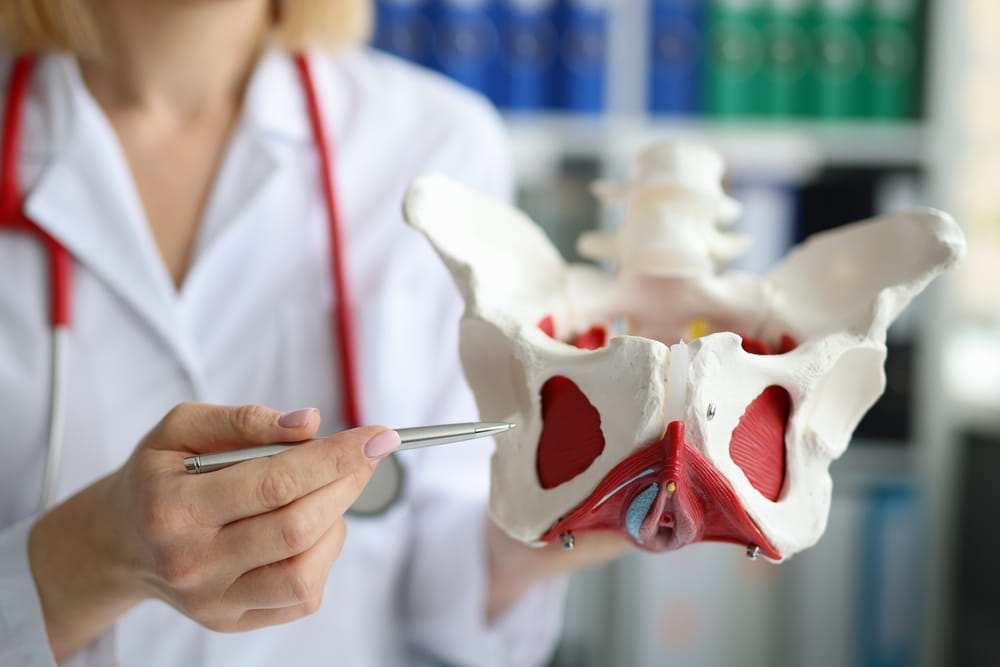
Pelvic changes can be surprisingly easy to dismiss, especially when they develop gradually. A little pressure after a long day, changes in urination, constipation, or discomfort during certain activities may seem unrelated. However, these can sometimes be early signs of pelvic organ prolapse, a condition in which weakened pelvic floor muscles and supportive tissues allow one or more pelvic organs to shift downward.
For women throughout the Phoenix metro area, including Peoria, Sun City, Gilbert, Scottsdale, Mesa, Chandler, and Glendale, understanding these subtle changes can make it easier to recognize when a pelvic health concern deserves attention. Star Urogynecology, with Dr. Ali Azadi, Dr. Polina Sawyer, Dr. Tony Gaddi, and Dr. Marisa Cornejo, provides a local point of context for discussing women’s pelvic health and the symptoms that are sometimes overlooked.
Pelvic Pressure Can Feel Like Ordinary Fatigue
One of the most easily missed signs of pelvic organ prolapse is a feeling of pressure, fullness, or heaviness in the pelvis. Some women describe the sensation as something pulling downward or as though there is a small object or ball inside the vagina. These sensations may become more noticeable after standing for a long time, exercising, lifting, or completing physically demanding activities.
Because the discomfort may improve after lying down or resting, it can be mistaken for muscle fatigue or the effects of a busy day. Mild prolapse may also cause few or no symptoms, which can make changes particularly difficult to identify early.
Bladder Changes May Be an Important Clue
Pelvic organ prolapse does not always begin with an obvious vaginal bulge. Urinary changes may appear first. A woman may notice that she needs to urinate more frequently, experiences urgency, has a weaker urine stream, or does not feel completely empty after using the bathroom. Leakage can also occur.
These symptoms can overlap with urinary incontinence and other urinary conditions, so experiencing them does not automatically mean prolapse is present. However, persistent bladder changes—especially when combined with pelvic pressure or vaginal fullness—are worth discussing with a healthcare professional rather than assuming they are simply a normal part of aging.
Bowel Difficulties Can Be Connected to the Pelvic Floor
Constipation is common, which is one reason bowel-related prolapse symptoms can go unnoticed. When pelvic support changes involve the rectum or back wall of the vagina, some women may have difficulty completely emptying their bowels. A bowel movement may require more effort, or there may be a lingering sensation that stool remains.
In some cases, a woman may find that she needs to press against the vaginal wall with her fingers to help complete a bowel movement, a technique sometimes called splinting. This is a particularly important symptom to mention during a medical evaluation because it can indicate changes in pelvic support. Bowel leakage or difficulty controlling stool may also occur alongside pelvic floor disorders, including fecal incontinence.
Intimate and Vaginal Changes Should Not Be Ignored
Another overlooked sign is a change in how the vagina feels. A tampon may become difficult to keep in place, intercourse may become uncomfortable, or there may be an unfamiliar sensation of vaginal looseness, fullness, or pressure. Some women eventually notice tissue at or near the vaginal opening, but symptoms can develop well before a visible bulge appears.
Pelvic or lower back discomfort may accompany these changes as well. Since pelvic pain has many possible causes, discomfort alone cannot identify prolapse. Looking at the overall pattern—such as pain or pressure occurring together with urinary, bowel, or vaginal changes—can provide more useful information for a healthcare professional.
Recognizing When Pelvic Changes Deserve Attention
Pelvic organ prolapse can involve the bladder, uterus, rectum, small intestine, vaginal walls, or the top of the vagina after hysterectomy. More than one area may be affected at the same time. Pregnancy and vaginal childbirth are major contributors, while aging, menopause, obesity, previous pelvic surgery, chronic constipation, chronic coughing, and repeated heavy lifting can also increase strain on pelvic support structures.
Symptoms also vary considerably from one woman to another. A prolapse does not necessarily worsen continuously, and treatment decisions generally depend on the type of prolapse, its severity, symptoms, and how much those symptoms affect daily life.
Paying attention to persistent pelvic pressure, incomplete bladder or bowel emptying, vaginal changes, leakage, or discomfort can help women have more informed conversations about their pelvic health. For women across Peoria, Sun City, Gilbert, Scottsdale, Mesa, Chandler, Glendale, and the greater Phoenix metro area, Star Urogynecology and Dr. Ali Azadi, Dr. Polina Sawyer, Dr. Tony Gaddi, and Dr. Marisa Cornejo provide a local context for greater awareness of pelvic floor health and symptoms that women may otherwise overlook.
Resources
American College of Obstetricians and Gynecologists. (2019, reaffirmed 2024). Pelvic Organ Prolapse. ACOG Practice Bulletin No. 214.
American College of Obstetricians and Gynecologists. (2025). Understanding Pelvic Organ Prolapse. ACOG Women’s Health.
Mayo Clinic Staff. (2024). Pelvic Organ Prolapse: Symptoms and Causes. Mayo Clinic.