
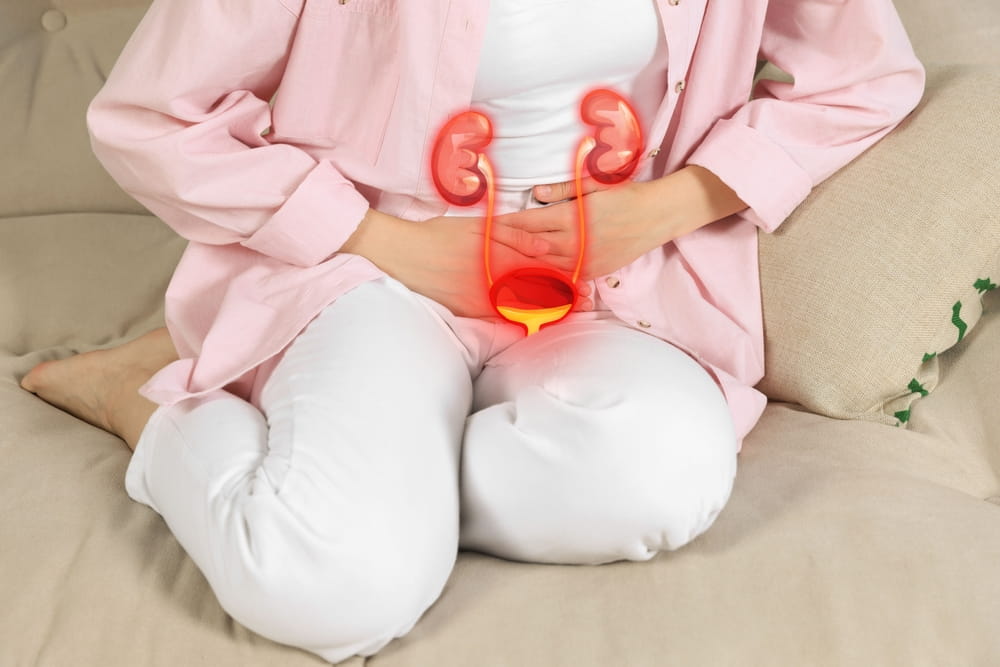
A urinary tract infection can be uncomfortable enough the first time. When symptoms return weeks or months later, the cycle can become especially frustrating. Recurrent urinary tract infections (UTIs) are generally described as two or more infections within six months or three or more within a year. Understanding why they happen repeatedly can help women recognize patterns and have more productive conversations with their healthcare providers.
For women throughout the Phoenix metro area, including Peoria, Sun City, Gilbert, Scottsdale, Mesa, Chandler, and Glendale, recurrent urinary symptoms are an important aspect of pelvic and urinary health. Star Urogynecology, with Dr. Ali Azadi, Dr. Polina Sawyer, Dr. Tony Gaddi, and Dr. Marisa Cornejo, provides a local point of context for understanding these concerns and the factors that may contribute to repeated infections.
Why Some UTIs Return After Treatment
Most UTIs occur when bacteria enter the urinary tract and multiply, with the bladder being a common site of infection. Escherichia coli, or E. coli, is responsible for many uncomplicated UTIs. Treatment may successfully eliminate one infection, but it does not necessarily prevent bacteria from entering the urinary tract again in the future.
A recurring infection may represent either a relapse involving the same organism or a new infection. Women are particularly susceptible because the urethra is shorter than it is in men, giving bacteria a relatively short route to the bladder. Individual anatomy, sexual activity, changes in vaginal bacteria, and certain health conditions can further influence the likelihood of developing recurrent UTIs.
Hormonal Changes Can Affect Urinary Health
Menopause can play an important role in recurrent UTIs. As estrogen levels decline, tissues surrounding the vagina and urethra can become thinner and drier. The vaginal microbiome may also change, reducing populations of protective Lactobacillus bacteria and potentially making it easier for infection-causing bacteria to become established.
These changes help explain why some women who rarely experienced UTIs earlier in adulthood begin having repeated infections during or after menopause. Hormonal changes may occur alongside urinary urgency, frequency, vaginal dryness, or discomfort, making it especially important to determine whether symptoms represent an active infection or another genitourinary condition.
Bladder Emptying Problems May Increase Risk
The bladder is designed to store urine and then empty efficiently. When urine repeatedly remains in the bladder after urination, bacteria may have more opportunity to multiply. Incomplete emptying can occur for several reasons, including changes in pelvic anatomy, certain medications, neurological conditions, or problems affecting bladder function.
Pelvic floor conditions may also contribute. For example, significant pelvic organ prolapse can sometimes interfere with normal bladder emptying. Women may notice that they need to urinate again shortly after using the bathroom, have difficulty starting their stream, or feel that the bladder never becomes completely empty. These symptoms do not necessarily indicate a UTI, but they can be useful information during an evaluation for repeated infections.
UTI Symptoms Can Overlap With Other Conditions
Burning during urination, urgency, frequency, and pelvic discomfort are commonly associated with UTIs, but infection is not the only possible explanation. Bladder irritation, vaginal changes related to menopause, pelvic floor dysfunction, and other conditions can produce similar symptoms. This is one reason repeated episodes should not automatically be assumed to be infections without appropriate testing.
Some women may also experience urinary incontinence alongside urgency or frequency. Leakage itself does not necessarily mean an infection is present. When symptoms continually return but urine cultures do not consistently identify bacteria, healthcare providers may consider whether another bladder, vaginal, or pelvic condition could be contributing.
Everyday Factors Can Influence Recurrence
Several factors have been associated with an increased likelihood of recurrent UTIs. Sexual activity can introduce bacteria around the urethral opening, while certain contraceptive methods, particularly spermicides, may alter the vaginal environment in ways that increase susceptibility. A previous history of UTIs is itself an important risk factor for future episodes.
Individual circumstances matter, which is why there is rarely a single explanation that applies to every woman. Rather than focusing on one habit as the cause, evaluating the timing of infections, culture results, urinary symptoms, menopause status, bladder emptying, medications, and other health factors can help build a clearer picture of why infections may be recurring.
When Repeated Symptoms Deserve More Attention
Recurring urinary symptoms are worth discussing with a healthcare professional, particularly when infections are happening frequently or symptoms return soon after treatment. Urine testing and cultures can help confirm whether bacteria are present and identify the organism involved. Depending on the circumstances, additional evaluation may be appropriate to look for factors contributing to recurrence.
Symptoms such as fever, chills, nausea, vomiting, or pain in the back or side can indicate that an infection may have reached the kidneys and warrant prompt medical attention. Blood in the urine, persistent symptoms despite treatment, or significant difficulty urinating should also be medically evaluated.
Recognizing patterns is an important part of understanding recurrent urinary infections. For women across Peoria, Sun City, Gilbert, Scottsdale, Mesa, Chandler, Glendale, and the greater Phoenix metro area, Star Urogynecology and Dr. Ali Azadi, Dr. Polina Sawyer, Dr. Tony Gaddi, and Dr. Marisa Cornejo provide local context for greater awareness of recurrent UTIs and the urinary and pelvic health factors that may contribute to them.
Resources
Anger, J., Lee, U., Ackerman, A. L., Chou, R., Chughtai, B., Clemens, J. Q., Hickling, D., Kapoor, A., Kenton, K. S., Kaufman, M. R., Rondanina, M. A., Stapleton, A., Stothers, L., & Chai, T. C. (2019, amended 2025). Recurrent Uncomplicated Urinary Tract Infections in Women: AUA/CUA/SUFU Guideline. American Urological Association.
American College of Obstetricians and Gynecologists. (2023). UTIs After Menopause: Why They’re Common and What to Do About Them. ACOG Women’s Health.
Gupta, K., Grigoryan, L., & Trautner, B. (2017). Urinary Tract Infection. Annals of Internal Medicine, 167(7), ITC49–ITC64.